
Hormone Balance Bundle
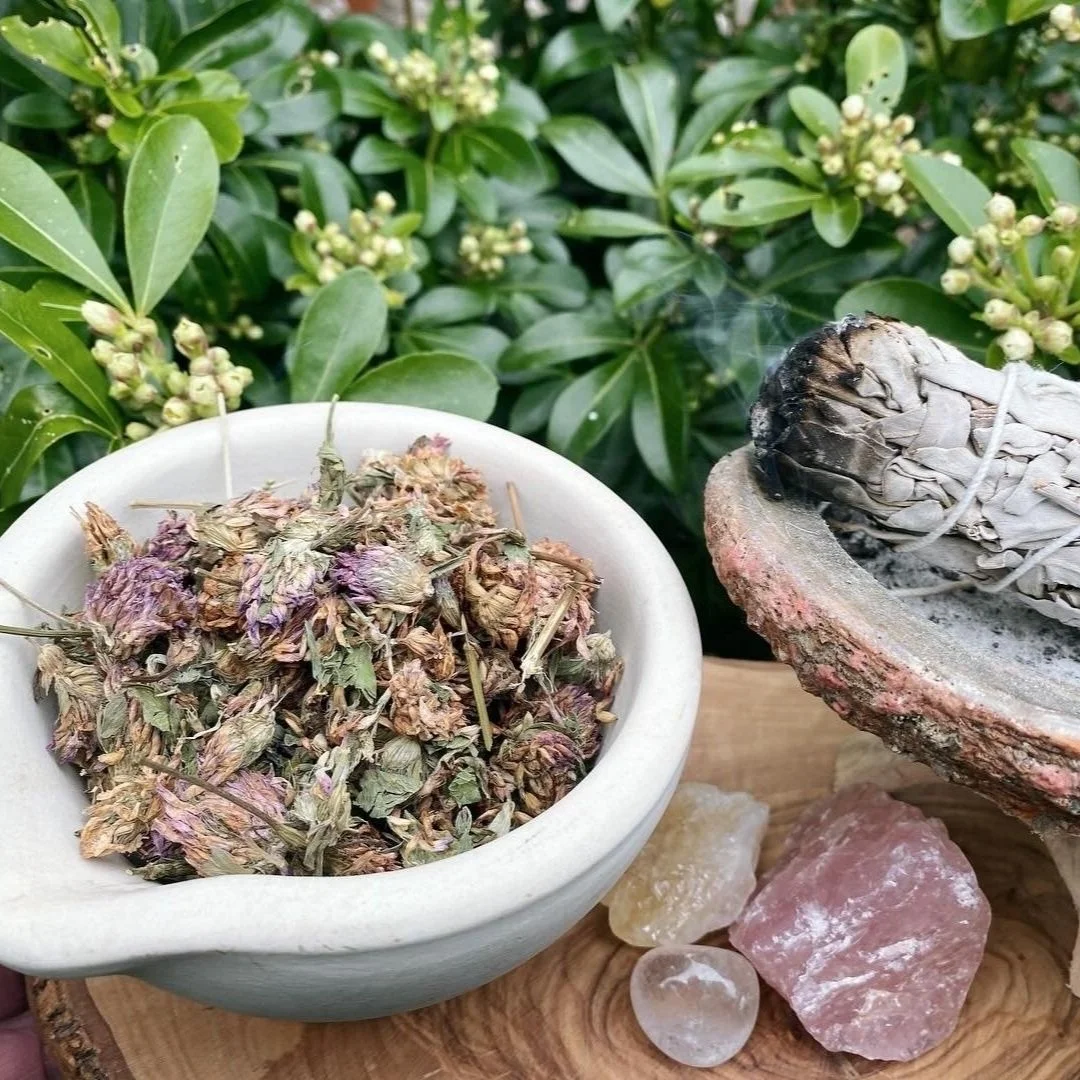
Red Clover (Trifolium pratense) is native to Europe, Central Asia and North Africa and has naturalised across much of the world, found growing in meadows, hedgerows and grassy fields. One of the most cherished herbs in traditional women's herbal medicine, it carries a gentle hay-like aroma with a mildly sweet, subtly floral taste that blends beautifully with oat straw, lemon balm, rose petals or chamomile.
Rich in isoflavones and phytoestrogens, traditionally valued as a nourishing herb with a particular affinity for women's hormonal wellness.
Traditionally used to support comfort and ease during the menopausal transition, historically valued for its gentle phytoestrogenic properties in traditional herbal medicine.
Traditionally used to support women's hormonal and emotional wellbeing across all stages of life.
Traditionally used to support respiratory comfort in folk medicine, historically valued as a gentle expectorant herb.
Traditionally used to support skin wellness and valued for its antioxidant and anti-inflammatory properties in traditional herbal practice. 🌿
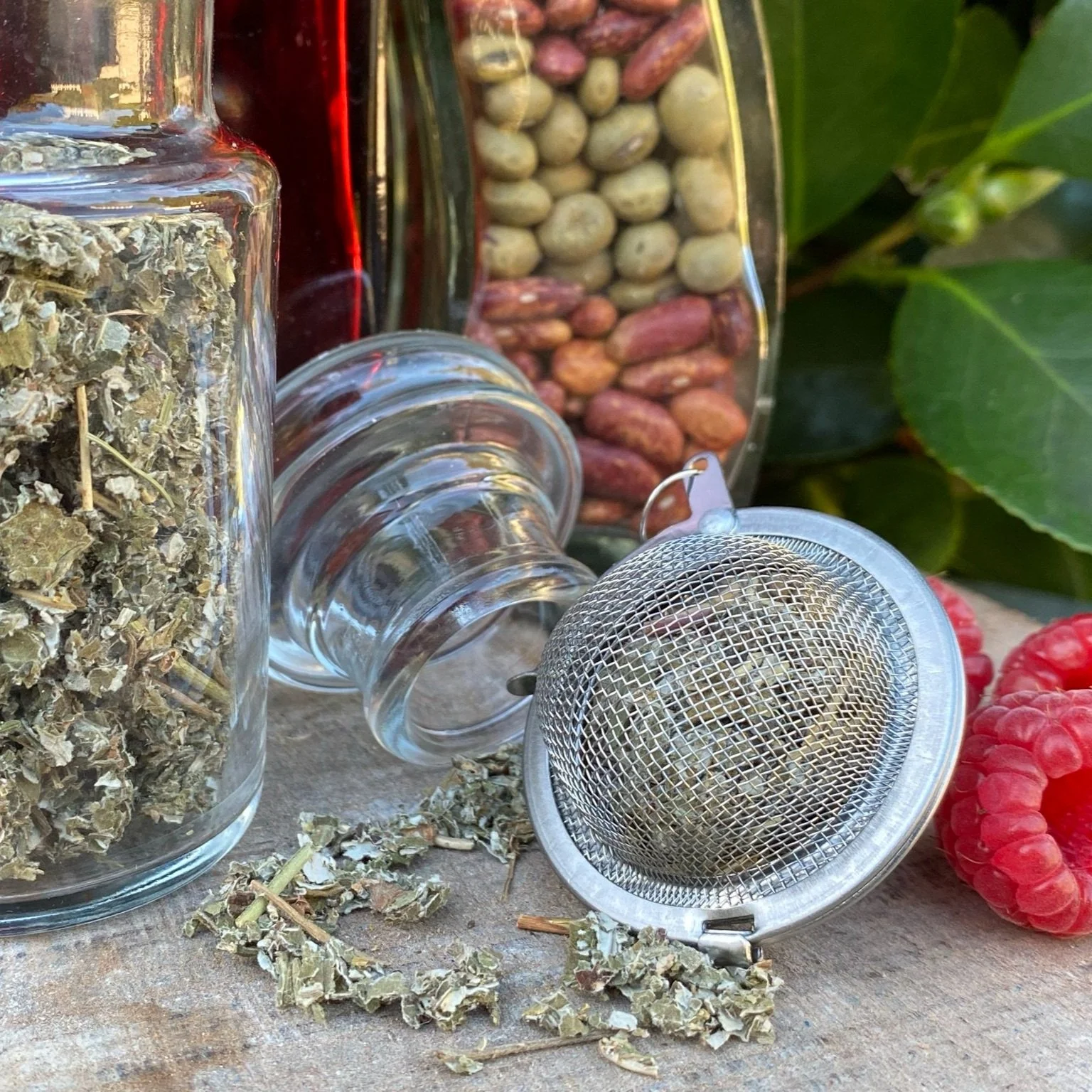
Raspberry Leaves (Rubus idaeus) are native to North America, Europe and some parts of Asia. This herb has been used as a uterine tonic for centuries and is one of the most celebrated herbs in women's traditional herbal medicine. A subtle tartness in flavour that blends beautifully with mint, ginger, nettle, heather or lemon balm.
Packed with vitamins, minerals and calcium, traditionally valued as a nourishing all round tonic herb.
Traditionally used to support menstrual comfort and ease feelings of tension and discomfort during difficult cycles.
One of the most traditionally used herbs to support female reproductive wellbeing, historically valued as a uterine tonic in traditional herbal medicine.
Traditionally used to support women's hormonal and emotional wellbeing.
Traditionally used as a mouthwash in folk medicine to support oral comfort and gum health.
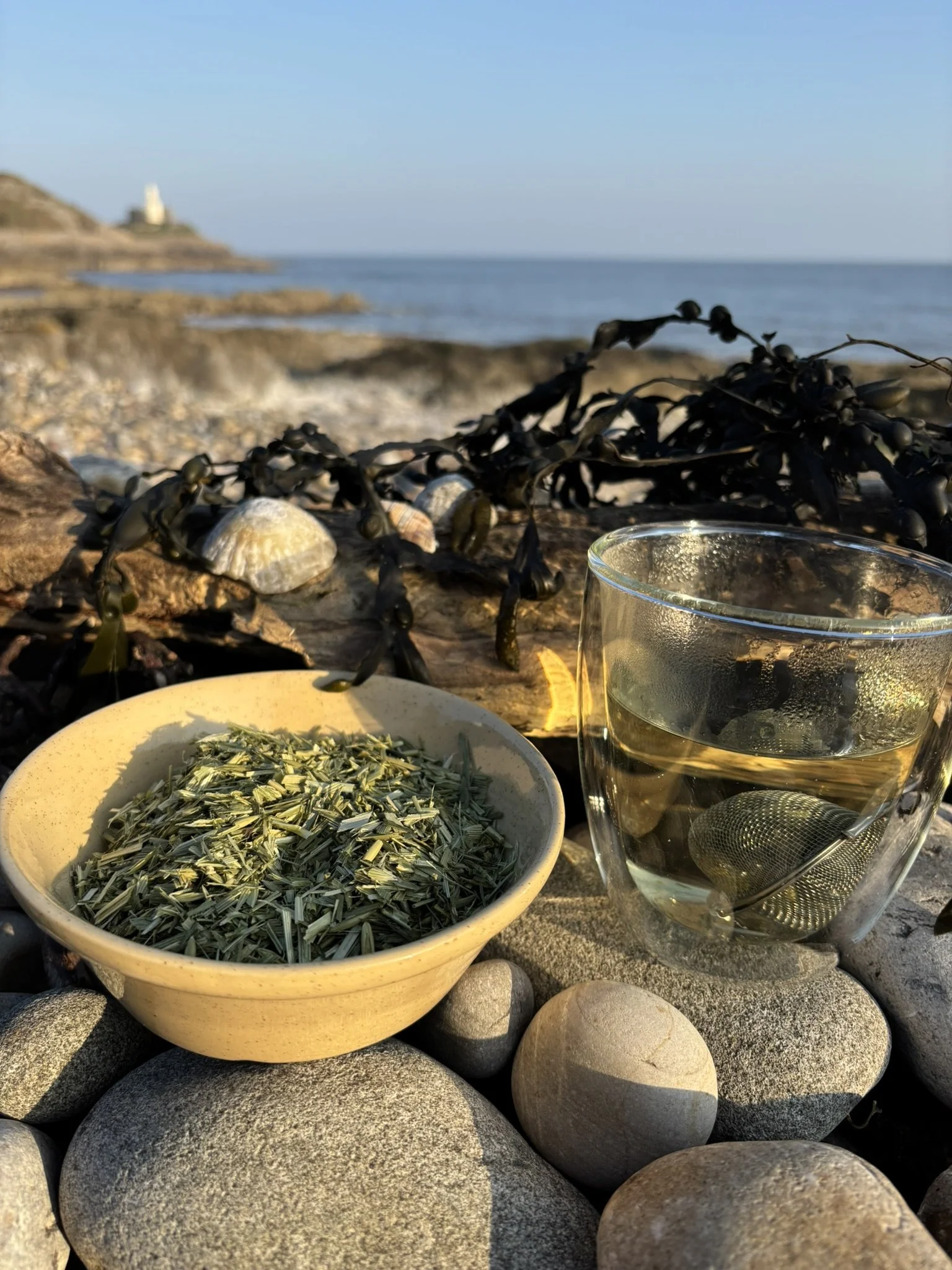
In traditional herbalism, oat straw has long been valued as a restorative tonic for depleted systems. In rural Celtic communities, oat straw was not simply discarded after harvest. It lined beds, filled pillows, and insulated cottage floors. with the belief that resting on oat straw brought deeper, steadier sleep.
It has a slightly sweet, grassy taste and works beautifully as a nourishing base herb for long infusions.
As a nervine trophorestorative, it was traditionally used to nourish and support the nervous system during prolonged stress, grief or burnout.
Used as a mineral-rich tonic that may strengthen connective tissue, hair, skin and nails as contains silica, calcium, magnesium and trace minerals.
Gentle mood support and often chosen when there is low resilience or emotional depletion
Traditionally used during perimenopause and menopause where there is nervous irritability.
Mild anti-inflammatory & soothing actions that may cool and calm irritated tissues.
May support in recovery states of convalescence and post-illness weakness.
Unlike stronger calming herbs, oat straw works slowly and steadily — more like daily nourishment than acute medicine.